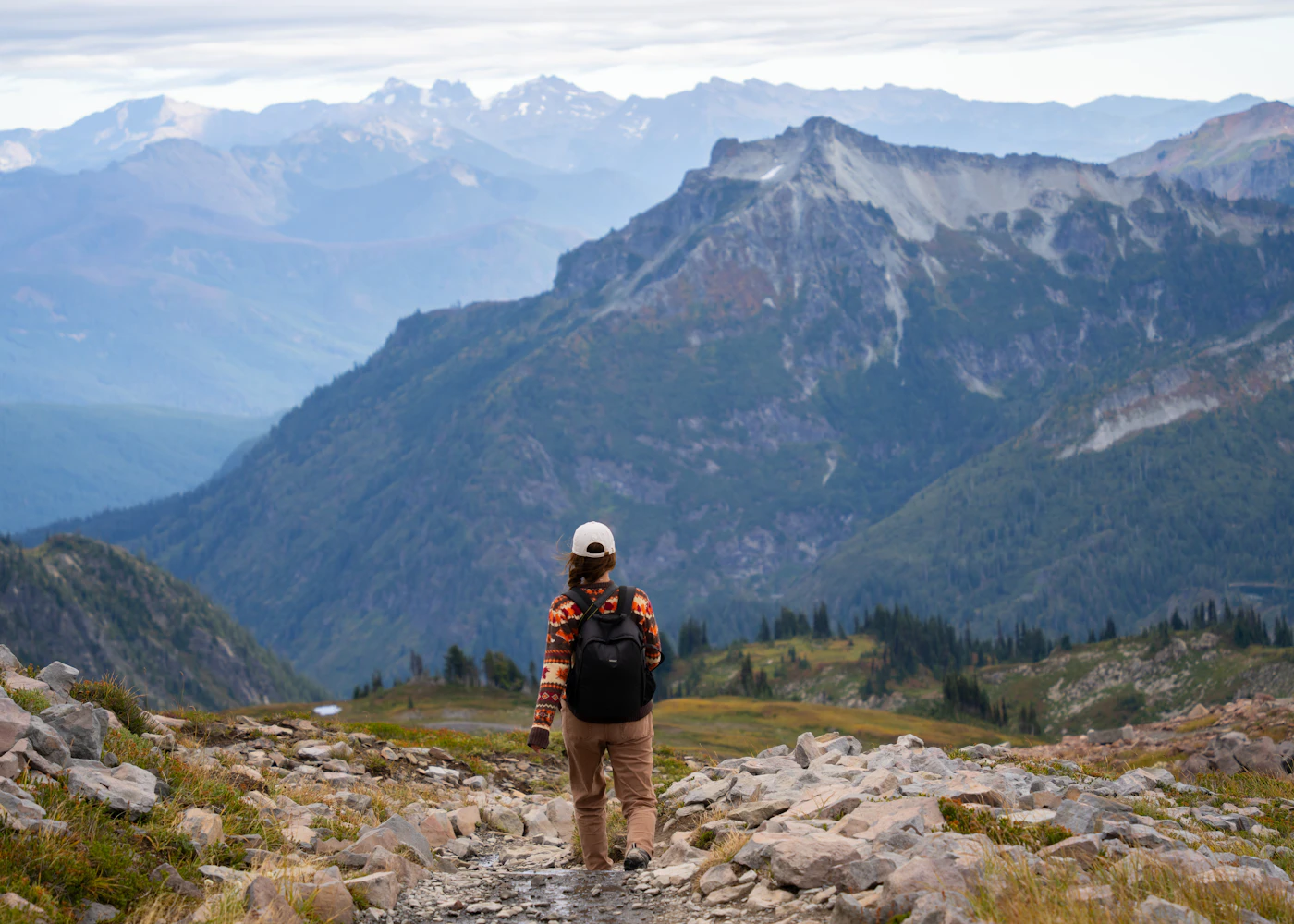
The freedom is the easy part to picture: change the route, stay an extra day, eat whenever you like. The quieter part of solo travel arrives when something funny happens and you turn to tell someone who is not there. You can enjoy traveling alone and still want a few people to share the trip with.
Traveling solo does not mean doing everything alone
You can book your own journey, spend an afternoon with new company, and still be a solo traveler. You have not failed at independence because you would like someone to talk to over dinner.
A 2026 paper by Qiuyi Lyu and Neil Carr challenges the simple choice between freedom and loneliness in descriptions of solo travel. It is a conceptual analysis, not a survey measuring how many travelers feel a particular way. Its useful point is that autonomy and connection can coexist.
For a cannabis enthusiast, finding 420-friendly friends may remove one awkward question from an introduction. It does not have to make cannabis the purpose of the trip, or the subject of every conversation. You might be looking for someone who shares your sense of humor and will remember the story about the train you nearly missed.
Before the trip: make the introduction about more than your itinerary
A city name in a profile is a starting point, not a reason someone owes you accommodation or a personal tour. Introduce yourself as someone worth talking to, rather than a list of favors waiting to happen.
Here are three example openings:
- Montréal: “I’m interested in the city’s music scene and trying to improve my French. What local music do you wish visitors heard?”
- Berlin: “I usually end up in record shops when I travel. What would you send a music-obsessed friend to look for?”
- Jamaica: “I’ve heard the same handful of reggae songs everywhere. Who should I listen to next?”
These are hypothetical conversation examples, not endorsements of destinations, claims about Smokie’s current local user numbers, or instructions about where cannabis can be used. The question works because it gives the other person something enjoyable to answer even if you never meet.
If cannabis comes up, ask about local attitudes rather than assuming familiarity with a country means agreement about weed. “Is it something people discuss openly in your circle?” leaves room for a personal answer.

During the trip: choose contact that fits the day
A voice from home may be exactly what you want after navigating an unfamiliar station. On another evening, you may prefer a new introduction. Both can fit alongside the people you meet through ordinary activities at your destination.
A 2025 interview study of 18 solo leisure travelers found several ways social media figured in their journeys: information seeking, sharing experiences, keeping memories, and connection. Some participants also valued limiting social media to stay immersed in the trip. It is a small qualitative study, not proof that being online improves every traveler’s experience.
That tension is worth noticing. A call can give you somebody to tell about the day. An hour of searching for the perfect conversation can also use up the evening you meant to spend exploring. Decide what you want before opening an app: a quick catch-up, an introduction, or a particular question answered.
For ongoing friends, make time-zone arrangements explicit. “Tomorrow evening” is ambiguous across countries. “Around 8 pm where I am, which is 2 pm for you” is easier to accept, change, or decline. Check the local times for the actual date, especially around daylight-saving changes.
If an online friendship becomes an invitation to meet
A good video conversation gives you more context than an unfamiliar username. It still does not verify someone’s identity, address, intentions, or promises.
Keep a first meeting small and independent: a public place, your own route there and back, and someone you trust who knows your plans. Australia’s Smartraveller guidance recommends public, well-lit meeting places, telling a trusted person who you are meeting, and caution about sharing accommodation details.
A coffee or a walk in a busy public area gives both people an easy way to finish. An invitation to stay at a stranger’s home creates a much bigger dependency. Do not make that your backup accommodation simply because a profile says 420-friendly.
The same applies to money. You can enjoy talking to someone without paying a “club deposit,” covering a surprise travel emergency, or accepting a private payment request to secure a meeting. Keep your bookings and budget under your control.
A friendly local is not a source of legal permission
“Everybody does it here” is a description of somebody’s experience, not a travel rule. Local cannabis laws, visitor access, permitted places, accommodation policies, and border rules are separate questions.
One concrete example: Canada’s official travel guidance says taking cannabis across the Canadian border is illegal without the required authorizations, even when traveling between places where it is legal. A medical prescription is not the same as authorization to cross a border with it.
Check official guidance for your destination and transit countries before making plans. You can meet cannabis-friendly people and enjoy the cultural conversation without carrying cannabis internationally or asking a new contact to arrange supplies.
After the trip: give the next message something to hold onto
“We should keep in touch” is easy to mean and easy to lose. A specific follow-up is easier to answer:
A story to continue.
- “Back home now. Did the weekend event you were organizing go well?”
- “I finally found the photo of that ridiculous sign I was telling you about.”
These are examples, not messages from Smokie users. Each remembers something the other person contributed. You are continuing a conversation, rather than asking a stranger to start over.
Leave room for the friendship to have its own pace. A person you met while both of you were on holiday may have much less spare time once work resumes. A delayed reply does not erase a good encounter.
Using Smokie as one part of your social life on the road
Smokie lets cannabis-friendly people meet through one-to-one video chat and Swipe profiles on Android and the web. Mutual connections can continue through friends and messages, so a conversation need not disappear when your location changes.
It is an international social app, not a city-based travel-buddy directory, a booking service, or a verified hosting network. Android offers optional country preferences that use gems; they do not locate somebody near your hotel or guarantee a match from a particular country. The Smokie vs Omeweed comparison explains the Android and browser differences.
Use it for what it can offer: an introduction, a shared laugh, and a way to return to someone you enjoyed talking with. The trip can stay yours while some of its stories become something you share.
Published by Smokie. Research, product details, and linked travel guidance checked October 21, 2026. Examples are illustrative. Consult current official destination advice before travel; this article is about friendship, not planning cannabis purchases or transport.