Someone in another country may recognize the same rolling-paper brand and mean something completely different by a “cannabis club.” That gap is where a conversation gets interesting. You stop comparing souvenirs and start hearing how another person’s everyday life works.
Start with a person, not a national stereotype
“What is the weed like there?” is an understandable opener. It is also a big question to drop on a stranger. They may not consume, may not want to discuss buying anything, or may have very different habits from their friends.
A better route into cannabis culture is to ask about something they can choose to explain: a word, a piece of music, a public debate, or what visitors tend to misunderstand. “What does that expression mean where you live?” usually leaves more room for an answer than “You’re from Jamaica, so you must…”
On an international video chat, you do not need to become an expert on an entire country. You can leave knowing why one person finds a joke funny, why a familiar label means something different to them, or which part of their city they wish people asked about.
Three places where the obvious question misses the interesting part
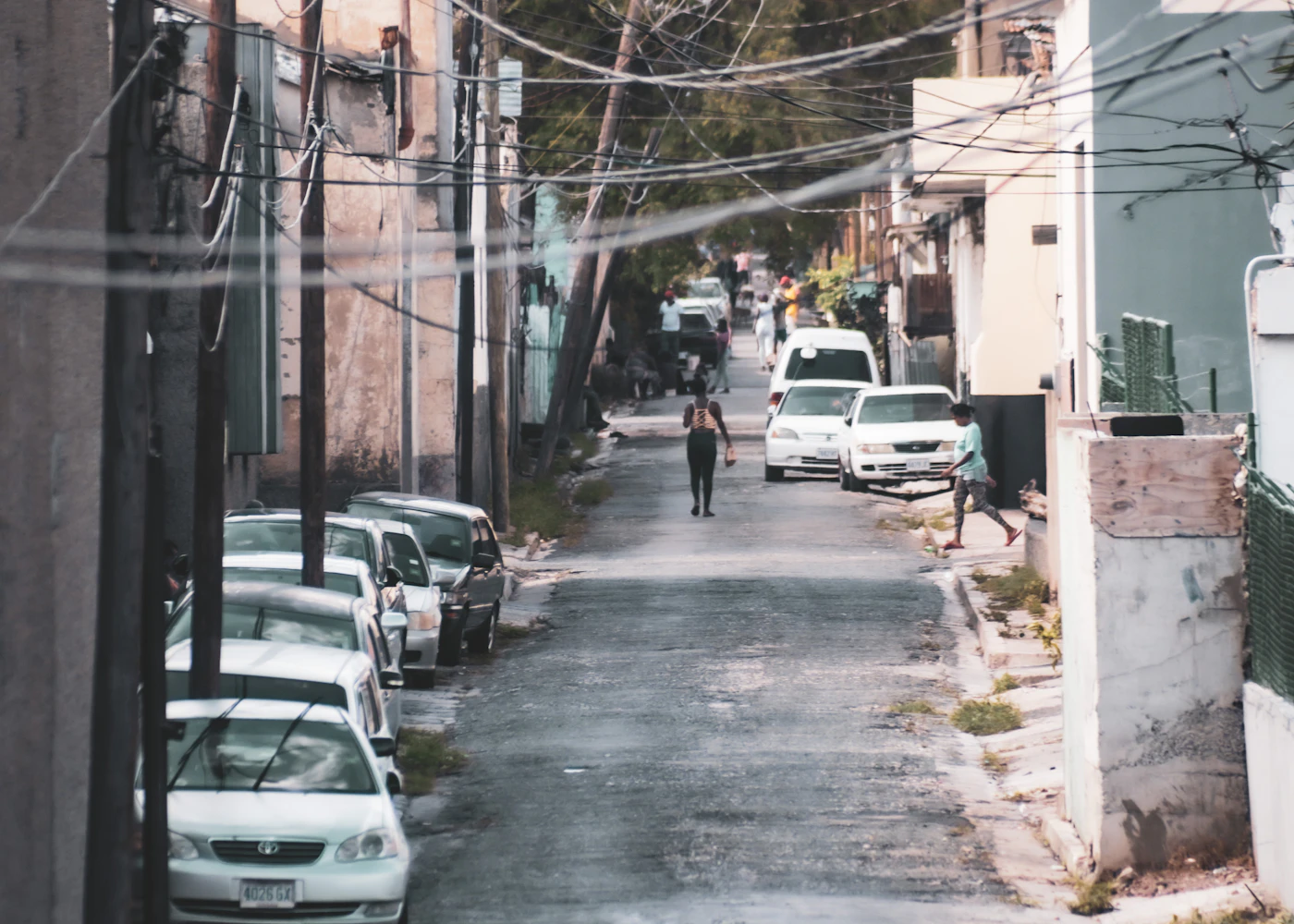
Jamaica
Music & meaning
Reggae has a history of social commentary, religious expression, and musical exchange. Reducing it to a smoking soundtrack misses much of that history.
“Which song would you play for someone who only knows the tourist version of reggae?”

Canada
Attitudes & everyday life
Legalization does not mean everybody feels the same way about cannabis. Attitudes differ, including among people in the same household.
“Has the way people talk about cannabis changed in your own circle?”

Germany
Same word, different meaning
A cultivation association is not simply another name for a public cannabis café. Similar-looking words can describe different institutions.
“When people say ‘club’ there, what do they actually mean?”
Those examples have specific foundations. UNESCO’s account of reggae traces its roots in marginalized communities in western Kingston and describes its musical influences and social functions. That history offers much more to discuss than a leaf on a souvenir shirt.
In Health Canada’s 2024 Cannabis Survey, 53% of respondents considered regular cannabis smoking somewhat or completely socially acceptable. That measures an attitude toward a particular behavior, not whether respondents used cannabis themselves. It also leaves plenty of room for disagreement within a country associated with legal cannabis.
Germany’s Federal Ministry of Health explains cultivation associations as a regulated form of noncommercial collective cultivation. The point here is the distinction, not advice about joining one: a person’s local meaning of “club” deserves a question before an assumption.
For legal decisions, consult current official guidance. A chat partner’s experience can explain what life feels like; it cannot establish what a visitor is permitted to do.
Does geography make one country’s cannabis “the best”?
Geography is an interesting part of the story. A plant grows in an environment, and growers work within local conditions. But a country name on a packet is not a quality certificate, any more than “French” tells you everything about a bottle of wine.
Genetics, growing conditions, processing, storage, and the particular qualities someone values all complicate the question. A small 2023 study comparing indoor and outdoor cannabis found differences in chemical profiles. It examined two cultivars with a small number of samples; it did not rank countries or establish that one environment always produces better cannabis.
Labels have limits, too. A 2022 analysis of commercial cannabis data from six US states found that common commercial labels did not consistently capture the products’ chemical diversity. A familiar strain name can be a conversation starter without being a dependable description of everything inside.
So instead of debating a worldwide league table, ask what someone means by quality. Aroma? Consistency? A product’s documented contents? A local tradition? People can disagree because they are answering different questions, not because one of them knows nothing.
Can these conversations change how you think?
Learning another person’s explanation can give you an alternative to your first assumption. You might hear that a joke you thought was universal makes no sense in their language, or discover that a ritual you associated with cannabis also belongs to a much wider music scene.
There is research behind the broader connection between cultural learning and creativity, but it needs careful interpretation. Maddux, Adam, and Galinsky’s 2010 experiments examined multicultural learning experiences and creative thinking. Learning the underlying meaning of another culture’s practices mattered in their findings. The experiments did not test Smokie or establish that a short international video call improves creativity.
Ask what it means there.A starting point for the conversation, not a verdict about a whole country.
The useful idea to borrow is the question why. “Why does that tradition matter?” invites an explanation. “Tell me something weird about your country” invites a performance.
That is different from claiming that being high makes ideas better. In two studies described by the American Psychological Association, cannabis users evaluated ideas more favorably, but independent raters did not judge their ideas more creative. The results concern those tasks and participants, not every form of art. They are still a good reason to separate enjoying an idea from evidence that cannabis improved it.
A conversation you can actually have tonight
You do not need a list of interview questions. Pick one detail and follow it. For example:
- Begin with the word: “You called it a sesh. Does that always mean a group hangout where you are?”
- Follow the person: “Who did you first hear that from?”
- Trade your own version: “My friends use the word differently. For us, it usually means…”
- Let the subject move: if the answer leads to a band, a family story, or a favorite local expression, stay with it.
This is an example of a conversation developing, not a script every stranger owes you. Someone can prefer to discuss games or films instead. Nobody represents every cannabis enthusiast in their country.
Where Smokie fits
Smokie brings a cannabis-friendly audience into one-to-one video chat on Android and the web. You can meet people from different places and, when a connection is mutual, add friends and continue messaging. Who you meet depends on who is online; a particular country or conversation is not guaranteed.
Come with one thing to share as well as one thing to ask. A good exchange is not a free cultural lecture. It is two people comparing the parts of life they know, occasionally discovering that the most familiar-looking thing has a completely different story behind it.
Published by Smokie. Research checked October 21, 2026. Country examples illustrate specific sources and individual conversation possibilities; they are not a travel-law guide or a ranking of cannabis products.